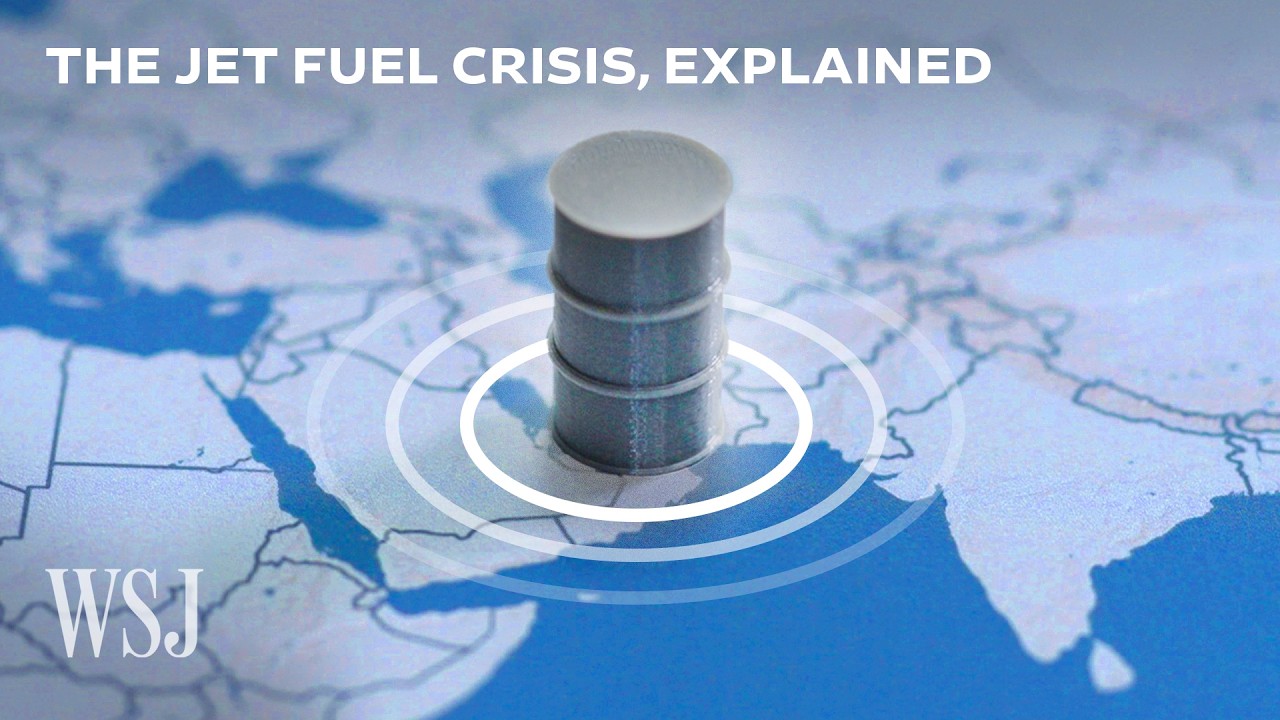
What Happens When 20% of the World's Exported Jet Fuel Vanishes | WSJ
The effective closure of the Strait of Hormuz has prevented 20% of the world’s exported jet fuel from making it to airlines around the globe, while also stopping one fifth of the world’s crude oil from reaching refineries. That’s causing ripple effects throughout the global aviation network as airlines face a summer of higher fuel costs and potential fuel shortages.
While some nations are yet to feel the immediate effects, analysts say that even if the Strait were to reopen today, it could take many months for refineries to come back online and for jet fuel shipments to make their way around the world. WSJ explores how the war in Iran could impact your travel plans.
Chapters:
0:00 The current jet fuel crisis
1:25 Europe’s situation
2:36 The U.S.’s situation
4:00 Asia’s situation
4:31 What airlines can do to lessen the blow
5:26 How long the pain could go for
#Iran #Asia #WSJ
While some nations are yet to feel the immediate effects, analysts say that even if the Strait were to reopen today, it could take many months for refineries to come back online and for jet fuel shipments to make their way around the world. WSJ explores how the war in Iran could impact your travel plans.
Chapters:
0:00 The current jet fuel crisis
1:25 Europe’s situation
2:36 The U.S.’s situation
4:00 Asia’s situation
4:31 What airlines can do to lessen the blow
5:26 How long the pain could go for
#Iran #Asia #WSJ

The Wall Street Journal
The new WSJ Video takes you inside carefully selected stories and events in a visually captivating way so you can dig deeper into the news that matters to you. You’ll get breaking headlines, immersive features, interactive media and even virtual reality r...