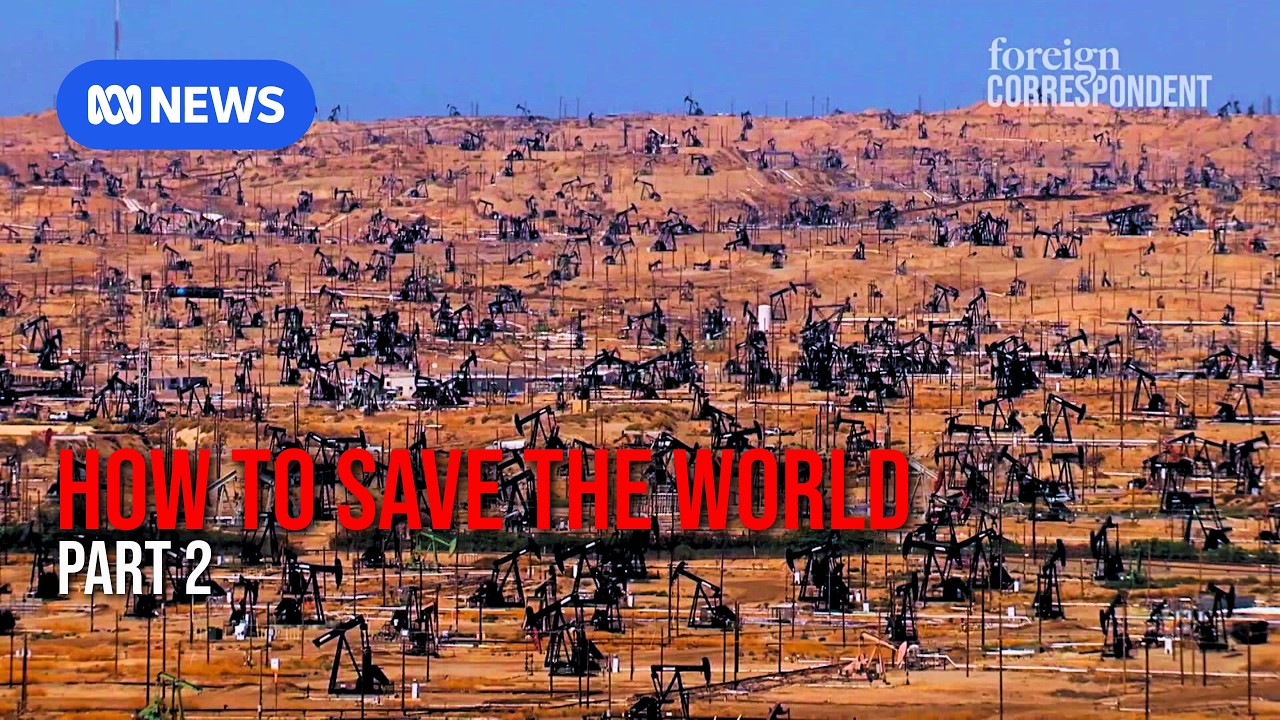
How to save the world | Part 2 | Foreign Correspondent Archives
Climate change is coming for Miami but that’s done little to curb enthusiasm for waterfront property.
When Foreign Correspondent filmed this documentary 10 years ago in 2015, the signs of Miami’s watery future were already clear. Authorities were building costly sea walls to protect real estate and roads from tidal flooding.
“The cost of holding back the sea is enormous and it’s going to increase dramatically over time,” Geoscientist and Miami resident Keren Bolter told the program.
On America’s western flank, in California, there was too little water. In the town of Porterville, drought had accentuated the race and class divide. Hispanic residents had relied on wells that had long dried up and were dependent on donated bottles to drink and community showers to bathe. Mainly white residents still enjoyed piped water.
But just a few hours away, California’s Bay Area was abuzz with optimism as a new wave of young solar entrepreneurs mined ideas and connected them to cash. One venture installed solar power for Kenyan villagers pay for what they use by phone, no bank account required.
California planned at the time to be 50 per cent renewable by 2030. That goal has since been updated.
Subscribe: https://ab.co/3yqPOZ5
Welcome to ABC News In-depth, where you'll find our long-form journalism and other videos to help you understand what's going on in the world around you.
Note: In most cases, our captions are auto-generated.
#ABCNewsIndepth #ABCNewsAustralia
When Foreign Correspondent filmed this documentary 10 years ago in 2015, the signs of Miami’s watery future were already clear. Authorities were building costly sea walls to protect real estate and roads from tidal flooding.
“The cost of holding back the sea is enormous and it’s going to increase dramatically over time,” Geoscientist and Miami resident Keren Bolter told the program.
On America’s western flank, in California, there was too little water. In the town of Porterville, drought had accentuated the race and class divide. Hispanic residents had relied on wells that had long dried up and were dependent on donated bottles to drink and community showers to bathe. Mainly white residents still enjoyed piped water.
But just a few hours away, California’s Bay Area was abuzz with optimism as a new wave of young solar entrepreneurs mined ideas and connected them to cash. One venture installed solar power for Kenyan villagers pay for what they use by phone, no bank account required.
California planned at the time to be 50 per cent renewable by 2030. That goal has since been updated.
Subscribe: https://ab.co/3yqPOZ5
Welcome to ABC News In-depth, where you'll find our long-form journalism and other videos to help you understand what's going on in the world around you.
Note: In most cases, our captions are auto-generated.
#ABCNewsIndepth #ABCNewsAustralia

ABC News In-depth
Welcome to ABC News In-depth, where you'll find our long-form journalism and explainers to help you understand what's going on in the world around you.
You'll find all your favourite ABC News programs: Four Corners, Foreign Correspondent, Australian Stor...